
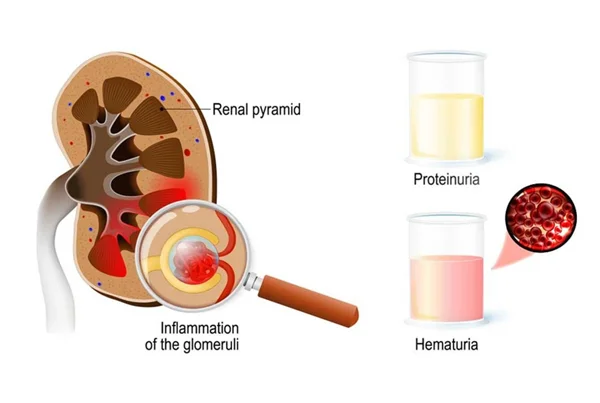
Hematuria is the medical term for the presence of blood in urine. It can range from a few blood cells visible only under a microscope to urine that appears pink, red, or cola-colored. While hematuria may sometimes occur due to minor reasons, it can also indicate underlying conditions involving the kidneys, bladder, ureters, prostate, or urinary tract. Therefore, it should never be ignored.
The presence of blood in urine can be alarming, but early diagnosis and appropriate treatment often lead to excellent outcomes. Identifying the underlying cause is essential for effective management and prevention of complications. Dr. Deepak Kothari provides comprehensive Hematuria Treatment in Shalimar Bagh, offering advanced diagnostic evaluation and personalized treatment plans to help patients regain their urinary health.
Hematuria refers to blood in the urine and is generally classified into two types:
In gross hematuria, the blood is visible to the naked eye. The urine may appear:
Even a small amount of blood can cause a noticeable change in urine color.
Microscopic hematuria cannot be seen without laboratory testing. It is detected when red blood cells are found during urine examination.
Both types require proper medical evaluation because they may be associated with significant urinary or kidney disorders.
Hematuria can occur due to a variety of conditions affecting the urinary tract.
Common causes include:
Bacterial infections of the bladder or urinary tract may cause irritation and bleeding.
Kidney stones can scratch the lining of the urinary tract, leading to blood in urine and severe pain.
In men, an enlarged prostate gland may obstruct urine flow and result in hematuria.
Inflammatory kidney disorders or chronic kidney disease may cause microscopic or visible blood in urine.
Blood in urine can sometimes be an early sign of bladder or kidney cancer, particularly in older adults.
Intense physical activity may occasionally cause temporary hematuria.
Blood thinners and some medications may increase the risk of urinary bleeding.
Injuries to the kidneys or urinary tract can cause bleeding and require prompt medical evaluation.
Hematuria itself is a symptom rather than a disease. Associated symptoms depend on the underlying cause.
Common symptoms include:
If blood in urine is accompanied by pain, fever, or urinary difficulties, immediate medical attention is recommended.
Several factors can increase the likelihood of developing hematuria.
Risk factors include:
Regular medical checkups help identify urinary problems at an early stage.
Determining the cause of hematuria is essential for effective treatment.
Dr. Deepak Kothari carefully reviews symptoms, medications, lifestyle habits, and family history.
Urine tests help detect:
This test identifies bacterial infections causing urinary bleeding.
Blood tests evaluate:
Ultrasound imaging helps detect:
CT scans provide detailed images of the kidneys, ureters, and bladder and are useful in evaluating complicated cases.
A cystoscope is inserted into the bladder through the urethra to examine the urinary tract directly and identify abnormalities.
Treatment depends on the cause of bleeding and the patient's overall condition.
If a urinary tract infection is responsible, antibiotics are prescribed to eliminate the infection and relieve symptoms.
Management may include:
Treatment options include:
Managing blood pressure, controlling diabetes, and using appropriate medications help preserve kidney function and reduce urinary bleeding.
If bladder or kidney cancer is detected, treatment may involve:
Early diagnosis significantly improves treatment outcomes.
If hematuria is caused by blood-thinning medications, dosage adjustments may be required under medical supervision.
Maintaining urinary tract health can help reduce the risk of hematuria.
Recommended measures include:
Simple lifestyle changes often contribute significantly to urinary health.
Seek immediate medical attention if you experience:
Prompt evaluation helps identify serious conditions at an early stage and improves treatment success.
Dr. Deepak Kothari offers comprehensive evaluation and treatment for patients experiencing blood in urine.
Patients benefit from:
His goal is to provide timely treatment and long-term urinary health for every patient.
Hematuria, or blood in urine, should never be ignored. While some cases may be caused by minor conditions, others can indicate serious kidney or urinary tract diseases that require prompt medical attention. Early diagnosis is essential to determine the cause and begin effective treatment.
If you notice blood in your urine or experience urinary symptoms, consult Dr. Deepak Kothari for expert Hematuria Treatment in Shalimar Bagh. With accurate diagnosis, personalized care, and advanced treatment options, you can protect your urinary health and prevent future complications.
Not always. Hematuria may occur due to infections, stones, or exercise, but it can also indicate serious conditions such as kidney disease or cancer. Medical evaluation is important.
Yes. Microscopic hematuria and some bladder or kidney conditions may cause blood in urine without any pain or discomfort.
Common tests include urine analysis, urine culture, blood tests, ultrasound, CT scan, and cystoscopy.
Severe dehydration may contribute to urinary irritation and increase the risk of conditions that can lead to hematuria, although it is not the most common cause.
Yes. Most cases of hematuria can be treated successfully once the underlying cause is identified and managed appropriately.


 Call Or Whatsapp Now
Write a Reply or Comment