
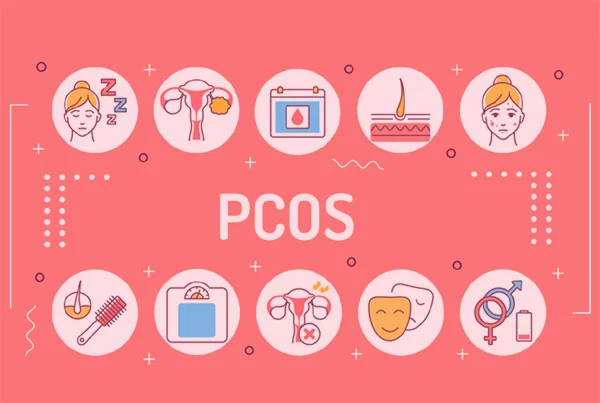
Polycystic Ovary Syndrome (PCOS) is one of the most common hormonal disorders affecting women of reproductive age. It occurs when the ovaries produce higher-than-normal amounts of male hormones called androgens, leading to hormonal imbalance and a variety of physical and reproductive health issues.
Women with PCOS may experience irregular periods, acne, excessive facial hair growth, weight gain, difficulty conceiving, and metabolic problems such as insulin resistance. The condition can affect not only fertility but also long-term health by increasing the risk of diabetes, obesity, and cardiovascular disease.
Although PCOS is a chronic condition, early diagnosis and proper treatment can effectively manage symptoms and improve quality of life.
In West Shalimar Bagh, women receive comprehensive evaluation and personalized treatment plans for PCOS.
Dr. Deepak Kothari provides expert hormonal and metabolic care to help women manage PCOS and achieve better reproductive and overall health.
PCOS is a hormonal disorder characterized by:
Not every woman with PCOS develops ovarian cysts, and symptoms can vary from mild to severe.
Common symptoms include:
The exact cause of PCOS is not fully understood, but several factors contribute to its development.
Elevated androgen levels interfere with normal ovulation.
The body becomes less responsive to insulin, causing higher insulin levels and hormonal disturbances.
Women with a family history of PCOS are at greater risk.
Excess weight and sedentary lifestyle may worsen symptoms.
Diagnosis is based on symptoms, physical examination, and investigations.
Tests may include:
Under expert care of Dr. Deepak Kothari, patients receive a detailed hormonal evaluation and customized treatment plan.
Lifestyle changes are the foundation of PCOS treatment.
This includes:
Even modest weight loss can significantly improve symptoms.
Patients are advised to:
A balanced diet helps control insulin resistance and supports hormonal balance.
Depending on symptoms and goals, medications may be prescribed for:
For women planning pregnancy:
Early treatment often improves the chances of natural conception.
Women can support treatment by:
Consult a doctor if you experience:
Early treatment helps:
Patients in West Shalimar Bagh trust expert PCOS care because it requires a combination of hormonal, metabolic, and lifestyle management.
Key reasons include:
Dr. Deepak Kothari provides compassionate and evidence-based care to help women manage PCOS effectively and improve their quality of life.
PCOS is a common but manageable hormonal disorder. With early diagnosis, healthy lifestyle changes, and appropriate medical treatment, women can successfully control symptoms, improve fertility, and reduce long-term health risks.
In West Shalimar Bagh, patients can rely on expert care from Dr. Deepak Kothari for accurate diagnosis, effective treatment, and long-term management of PCOS.
If you are experiencing irregular periods, acne, weight gain, or fertility concerns, consult today in West Shalimar Bagh for expert PCOS treatment and personalized hormonal care.


 Call Or Whatsapp Now
Write a Reply or Comment