
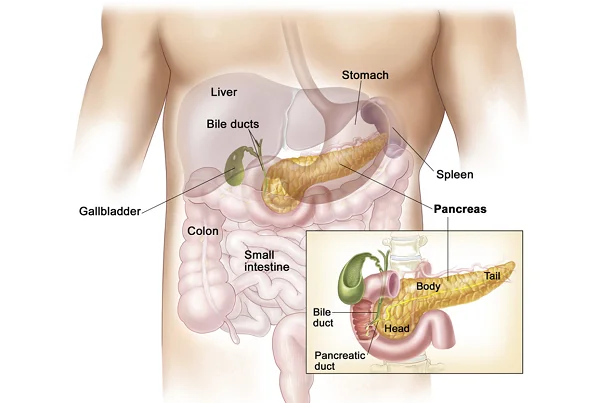
Pancreatitis is a condition in which the pancreas becomes inflamed, causing severe abdominal pain and digestive problems. The pancreas is an important organ located behind the stomach that produces digestive enzymes and hormones such as insulin. When inflammation occurs, these digestive enzymes can begin attacking the pancreas itself, leading to pain and tissue damage.
Pancreatitis can be acute, developing suddenly and lasting for a few days, or chronic, where inflammation persists for years and gradually damages the pancreas. Common causes include gallstones, excessive alcohol consumption, high triglyceride levels, infections, and certain medications.
Early diagnosis and prompt treatment are essential to prevent complications and preserve pancreatic function.
In West Shalimar Bagh, patients receive comprehensive evaluation and advanced treatment for pancreatitis and other pancreatic disorders.
Dr. Deepak Kothari provides expert care focused on pain relief, treating the underlying cause, and restoring digestive health.
Pancreatitis is inflammation of the pancreas that interferes with its normal digestive and hormonal functions.
There are two main types:
A sudden inflammation that develops quickly and may range from mild to severe.
Long-standing inflammation that causes permanent damage to pancreatic tissue and may affect digestion and blood sugar control.
Symptoms may vary depending on the severity of the condition.
Common symptoms include:
In chronic pancreatitis, patients may also develop diabetes due to reduced insulin production.
Gallstones can block the pancreatic duct and trigger inflammation.
Long-term alcohol intake is a major cause of chronic pancreatitis.
Elevated blood fats may increase the risk of pancreatic inflammation.
Certain drugs and infections may trigger pancreatitis.
Early diagnosis is important for preventing complications.
Diagnostic tests may include:
Under expert care of Dr. Deepak Kothari, patients undergo thorough evaluation to determine the cause and severity of pancreatitis.
Acute pancreatitis often requires:
Depending on the cause:
Patients are advised to:
For chronic pancreatitis, digestive enzyme supplements may be prescribed to improve digestion.
In selected cases:
Patients can improve recovery by:
Seek medical attention if you experience:
Early treatment helps:
Patients in West Shalimar Bagh trust expert pancreatic care because pancreatitis requires timely diagnosis and long-term management.
Key reasons include:
Dr.Deepak Kothari provides compassionate and evidence-based care for acute and chronic pancreatitis.
Pancreatitis is a serious condition that can affect digestion, nutrition, and overall health. Early diagnosis, lifestyle modifications, and proper treatment are essential to prevent complications and preserve pancreatic function.
In West Shalimar Bagh, patients can rely on expert care from Dr. Deepak Kothari for accurate diagnosis, effective treatment, and comprehensive pancreatitis management.
If you are experiencing severe abdominal pain, nausea, or digestive problems, consult today in West Shalimar Bagh for expert Pancreatitis treatment and personalized pancreatic care.


 Call Or Whatsapp Now
Write a Reply or Comment