
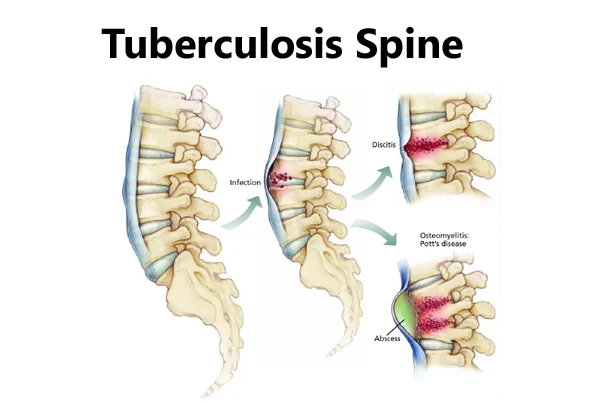
Spine Tuberculosis, also known as Pott's Spine or Tuberculosis of the Spine, is a serious infection caused by the bacteria Mycobacterium tuberculosis. It primarily affects the vertebrae and surrounding tissues of the spine, leading to pain, stiffness, and in severe cases, nerve compression or spinal deformity. Early diagnosis and timely treatment are crucial to prevent permanent complications and preserve spinal function.
If you are experiencing persistent back pain, unexplained fever, weight loss, or weakness in the limbs, seeking expert medical care is essential. Dr. Deepak Kothari offers comprehensive Spine Tuberculosis Treatment in Shalimar Bagh with a patient-centric approach, utilizing advanced diagnostic techniques and evidence-based treatment strategies. The goal is to control infection, relieve symptoms, and help patients return to their normal activities safely and effectively.
Spine Tuberculosis is a form of extrapulmonary tuberculosis that affects the spinal column. The infection usually begins in the lungs and spreads to the spine through the bloodstream. The thoracic and lumbar regions are most commonly affected, although any part of the spine can be involved.
As the infection progresses, it damages the vertebrae and intervertebral discs, leading to spinal instability and deformities such as kyphosis or a hunchback appearance. In severe cases, the infection may compress the spinal cord, causing neurological symptoms including numbness, weakness, or paralysis.
Spine Tuberculosis develops slowly, and its symptoms are often mistaken for common back problems. Therefore, early recognition and proper evaluation by an experienced doctor are vital for successful treatment.
The symptoms of Spine Tuberculosis may vary depending on the severity and location of the infection. Common signs include:
If these symptoms persist for several weeks, prompt medical evaluation is strongly recommended.
Spine Tuberculosis occurs when tuberculosis bacteria spread from another part of the body to the spine. Several factors increase the risk of developing this condition:
Individuals with active or previous tuberculosis infection are at higher risk.
Conditions such as diabetes, HIV infection, cancer, or long-term steroid use may weaken immunity and increase susceptibility.
Poor nutritional status can reduce the body's ability to fight infections.
People living or working with individuals suffering from tuberculosis are more likely to contract the disease.
Chronic illnesses that impair immunity may increase the chances of spinal TB.
Accurate diagnosis is essential for effective treatment. Dr. Deepak Kothari performs a detailed clinical evaluation and recommends appropriate investigations, including:
A comprehensive assessment of symptoms, past tuberculosis history, and neurological status.
Tests such as ESR and CRP help detect inflammation and monitor disease activity.
X-rays may reveal vertebral destruction and spinal deformities.
MRI is one of the most effective imaging techniques for detecting spinal tuberculosis, abscesses, and spinal cord compression.
CT scans provide detailed images of bone destruction and structural changes.
A tissue sample may be taken to confirm the diagnosis and identify the causative organism.
Early diagnosis significantly improves treatment outcomes and reduces the risk of complications.
Spine Tuberculosis Treatment in Shalimar Bagh primarily focuses on eliminating infection, preserving spinal stability, and preventing neurological damage.
The main treatment for spinal TB is a combination of anti-tubercular medications. These drugs are usually taken for 9 to 18 months depending on the severity of the disease.
The treatment helps:
Strict adherence to the medication schedule is extremely important for complete recovery.
Medications may be prescribed to relieve pain and inflammation, allowing patients to perform daily activities more comfortably.
Physiotherapy plays an important role in:
A customized rehabilitation plan helps patients recover safely and regain confidence.
Surgery may be recommended in selected cases, including:
The surgical procedure aims to remove infected tissue, decompress the spinal cord, and stabilize the spine when necessary.
Early diagnosis and treatment offer numerous advantages:
Timely intervention can significantly reduce long-term complications and improve overall outcomes.
Recovery from Spine Tuberculosis requires patience and regular follow-up care. Patients should:
Regular monitoring helps ensure that the infection is responding to treatment and that spinal health is improving steadily.
Dr. Deepak Kothari is committed to providing comprehensive and compassionate care for patients suffering from spinal disorders and neurological conditions. Patients choose Dr. Deepak Kothari because of:
With timely treatment and expert care, patients can achieve excellent recovery and return to their normal lives with confidence.
Spine Tuberculosis is a serious but treatable condition when diagnosed early and managed appropriately. Persistent back pain, fever, weight loss, or neurological symptoms should never be ignored, as early intervention can prevent severe complications such as spinal deformity and paralysis.
If you are looking for expert Spine Tuberculosis Treatment in Shalimar Bagh, consult Dr. Deepak Kothari for comprehensive evaluation and personalized care. With accurate diagnosis, advanced treatment strategies, and dedicated follow-up, you can take the right steps toward a healthier spine and improved quality of life.
Spine Tuberculosis is a bacterial infection caused by Mycobacterium tuberculosis that affects the vertebrae and surrounding spinal tissues, leading to pain, stiffness, and possible neurological complications.
Yes, Spine Tuberculosis is curable in most cases with timely diagnosis, proper anti-tubercular medications, and regular follow-up.
Treatment generally lasts between 9 and 18 months, depending on the severity of the infection and the patient's response to therapy.
If left untreated, the infection may compress the spinal cord and lead to weakness or paralysis. Early treatment significantly reduces this risk.
Surgery may be required when there is spinal instability, severe deformity, neurological deficits, large abscesses, or when medications alone are not effective.


 Call Or Whatsapp Now
Write a Reply or Comment