
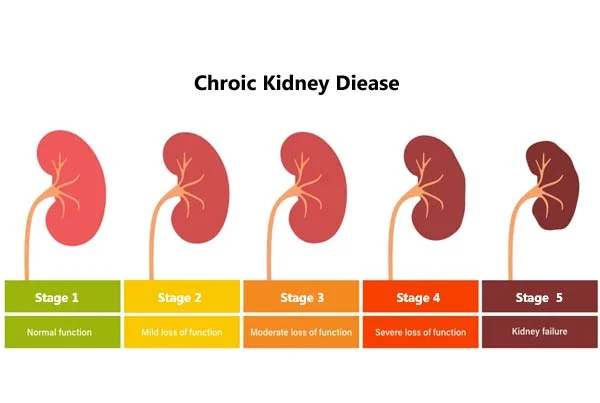
Chronic Kidney Disease (CKD) is a long-term condition in which the kidneys gradually lose their ability to filter waste products and excess fluids from the blood. Since the kidneys perform several vital functions, including regulating blood pressure, maintaining electrolyte balance, and producing hormones, any decline in kidney function can affect overall health significantly. Early diagnosis and timely treatment are essential to slow disease progression and prevent complications.
If you are experiencing symptoms such as swelling in the legs, fatigue, changes in urination, or persistent high blood pressure, seeking professional medical care is important. Dr. Deepak Kothari provides comprehensive Chronic Kidney Disease Treatment in Shalimar Bagh, focusing on early diagnosis, personalized treatment plans, and long-term kidney care to improve quality of life.
Chronic Kidney Disease is a progressive condition in which kidney function declines over months or years. Healthy kidneys remove waste and excess fluid from the blood through urine. In CKD, the kidneys become less efficient, causing toxins and fluids to accumulate in the body.
CKD is classified into five stages based on the Glomerular Filtration Rate (GFR), which measures kidney function. Early stages may have no obvious symptoms, making routine health checkups and laboratory tests important, especially for individuals with diabetes, hypertension, or a family history of kidney disease.
Without appropriate treatment, CKD can progress to kidney failure, requiring dialysis or kidney transplantation. However, with proper medical management and lifestyle modifications, many patients can maintain stable kidney function for years.
Several medical conditions and factors can contribute to the development of CKD. Common causes include:
High blood sugar levels can damage the tiny blood vessels in the kidneys, making diabetes one of the leading causes of CKD.
Uncontrolled hypertension places excessive pressure on kidney blood vessels and gradually reduces kidney function.
Inflammation of the kidney's filtering units can impair filtration and lead to chronic kidney damage.
This inherited condition causes fluid-filled cysts to develop in the kidneys, affecting their structure and function.
Repeated infections may result in scarring and long-term kidney impairment.
Kidney stones, enlarged prostate, or tumors can block urine flow and damage the kidneys over time.
Symptoms often appear gradually and may vary depending on the stage of the disease. Common signs include:
If you experience any of these symptoms, consulting Dr. Deepak Kothari for Chronic Kidney Disease Treatment in Shalimar Bagh can help detect the condition early and prevent complications.
Certain individuals are more likely to develop chronic kidney disease. Risk factors include:
Regular health screening is especially important if you have one or more of these risk factors.
Early diagnosis plays a crucial role in slowing disease progression. Dr. Deepak Kothari may recommend:
Blood tests evaluate kidney function by measuring creatinine levels and estimating GFR.
Urine examination helps detect protein, blood, or abnormalities indicating kidney damage.
Persistent high blood pressure is both a cause and consequence of CKD.
Imaging studies assess kidney size, structure, and detect cysts or obstructions.
Advanced imaging may be recommended for detailed evaluation.
In selected cases, a small tissue sample is taken to determine the exact cause of kidney disease.
Treatment depends on the stage of CKD, underlying causes, and overall health of the patient. The primary goals are to slow disease progression, manage symptoms, and reduce complications.
Managing diabetes and hypertension is essential to protect kidney function. Medications, dietary changes, and regular monitoring help maintain stable blood sugar and blood pressure levels.
Various medications may be prescribed to:
Diet plays an important role in CKD management. Patients are often advised to:
Healthy lifestyle habits can significantly improve outcomes. These include:
When kidney function becomes severely impaired, dialysis may be required. This treatment removes waste products and excess fluids from the blood when kidneys can no longer perform these functions adequately.
For advanced kidney failure, kidney transplantation may be considered. It offers a long-term solution for eligible patients and can improve quality of life significantly.
If left untreated, CKD can lead to serious health complications, including:
Early treatment and regular follow-up are essential to minimize these risks.
Although not all cases can be prevented, several steps help reduce the risk of CKD:
Preventive care and early intervention are key to preserving kidney health.
Dr. Deepak Kothari is dedicated to providing patient-centered care with a focus on accurate diagnosis and comprehensive treatment. Patients benefit from:
With a commitment to excellence, Dr. Deepak Kothari helps patients manage kidney disease effectively and improve their quality of life.
Chronic Kidney Disease is a serious but manageable condition when diagnosed and treated early. Regular monitoring, lifestyle changes, and proper medical care can slow disease progression and prevent complications. Ignoring symptoms or delaying treatment may lead to irreversible kidney damage.
If you or a loved one is experiencing symptoms of kidney disease, consult Dr. Deepak Kothari for expert Chronic Kidney Disease Treatment in Shalimar Bagh. Early intervention can make a significant difference in preserving kidney function and maintaining a healthy life.
Early signs include fatigue, swelling in the legs, changes in urination, loss of appetite, and high blood pressure. Some patients may not experience symptoms initially.
CKD is usually a long-term condition that cannot be completely cured, but early treatment can slow its progression and help maintain kidney function.
No. Dialysis is generally required only in advanced stages when kidney function becomes severely reduced.
Patients may need to limit salt, processed foods, excess protein, and foods high in potassium or phosphorus, depending on their condition.
The frequency depends on the stage of the disease and overall health. Regular follow-up with your doctor is important for monitoring kidney function and adjusting treatment when needed.


 Call Or Whatsapp Now
Write a Reply or Comment