
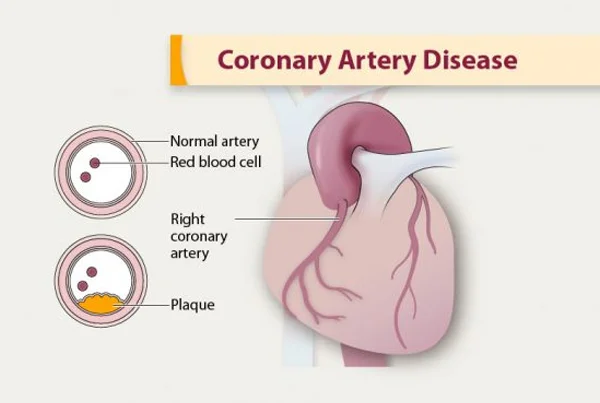
Coronary Artery Disease (CAD) is one of the most common heart conditions worldwide and a leading cause of heart attacks. It occurs when the coronary arteries, which supply oxygen-rich blood to the heart muscle, become narrowed or blocked due to the buildup of fatty deposits known as plaque.
As the arteries narrow, the heart receives less oxygen and nutrients, leading to symptoms such as chest pain, shortness of breath, fatigue, and reduced exercise tolerance. In severe cases, CAD can lead to a heart attack or heart failure.
The condition usually develops gradually over many years and is strongly associated with risk factors such as high blood pressure, diabetes, smoking, obesity, and high cholesterol.
Early diagnosis, lifestyle modification, and timely treatment play a crucial role in preventing complications and maintaining long-term heart health.
In West Shalimar Bagh, patients receive comprehensive cardiac evaluation and personalized treatment for CAD.
Dr. Deepak Kothari provides expert cardiovascular care focused on symptom control, risk reduction, and improving overall heart health.
CAD is a condition in which the coronary arteries become narrowed or blocked due to plaque buildup.
Plaque consists of:
This process, known as atherosclerosis, gradually restricts blood flow to the heart.
Types of CAD include:
Symptoms may vary from person to person.
Common symptoms include:
Some patients may have no symptoms until a heart attack occurs.
Excess cholesterol contributes to plaque formation in arteries.
High blood pressure damages blood vessels and increases the risk of CAD.
Uncontrolled blood sugar accelerates artery damage.
Smoking damages artery walls and reduces oxygen supply.
Excess body weight and lack of exercise increase cardiovascular risk.
Genetics may increase susceptibility to heart disease.
Early diagnosis is important to prevent complications.
Investigations may include:
Under expert supervision of Dr. Deepak Kothari, patients receive detailed cardiac assessment and individualized treatment planning.
Lifestyle improvements are essential for long-term heart health.
Patients are advised to:
A heart-healthy diet includes:
Medications may be prescribed to:
In selected cases:
These procedures help restore blood flow to the heart.
Routine follow-up helps:
Patients can improve heart health by:
Consult a doctor immediately if you experience:
Early treatment helps:
Patients in West Shalimar Bagh trust expert cardiac care because coronary artery disease requires accurate diagnosis and long-term management.
Key reasons include:
Dr. Deepak Kothari provides compassionate and evidence-based care to help patients manage CAD effectively and maintain better heart health.
Coronary Artery Disease is a serious but manageable heart condition. Early diagnosis, healthy lifestyle habits, and timely treatment can significantly reduce complications and improve long-term outcomes.
In West Shalimar Bagh, patients can rely on expert care from Dr. Deepak Kothari for accurate diagnosis, effective treatment, and comprehensive management of CAD.
If you are experiencing chest pain, shortness of breath, or have risk factors for heart disease, consult today in West Shalimar Bagh for expert CAD treatment and personalized cardiac care.


 Call Or Whatsapp Now
Write a Reply or Comment