

Fever is one of the most common health conditions affecting people of all age groups. It is not a disease itself but a s
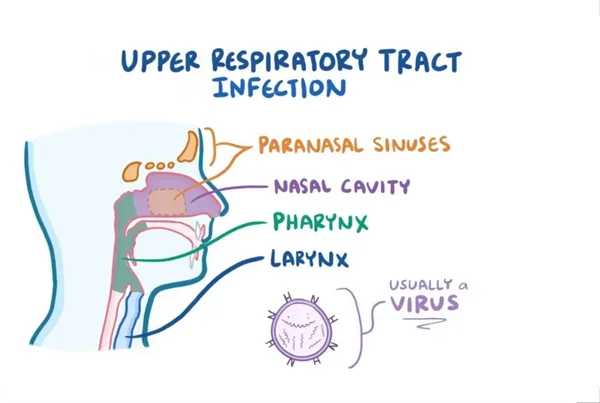
Upper Respiratory Tract Infection (URTI) is one of the most common infections affecting the nose, throat, sinuses, and u
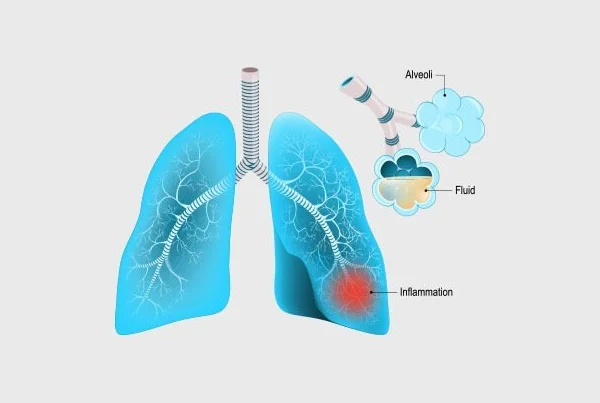
Lower Respiratory Tract Infection (LRTI) is a serious infection that affects the lower part of the respiratory system, i
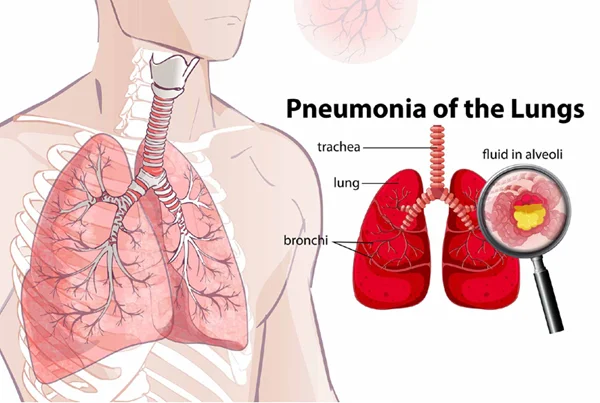
Pneumonia is a serious lung infection that causes inflammation in the air sacs (alveoli) of one or both lungs. These air

Urine infection, also known as urinary tract infection (UTI), is a common bacterial infection that affects any part of t

Dengue fever is a viral infection caused by the dengue virus, which is transmitted through the bite of infected Aedes ae
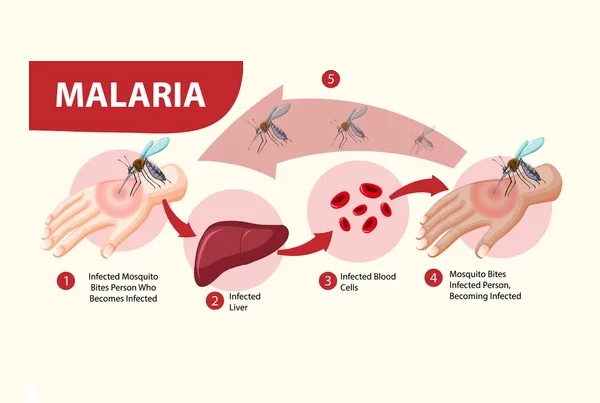
Malaria is a serious mosquito-borne infectious disease caused by Plasmodium parasites, transmitted through the bite of i
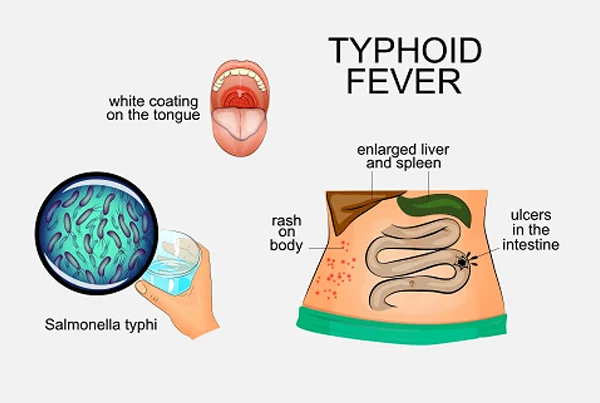
Typhoid fever is a bacterial infection caused by Salmonella typhi. It spreads through contaminated food and water and is
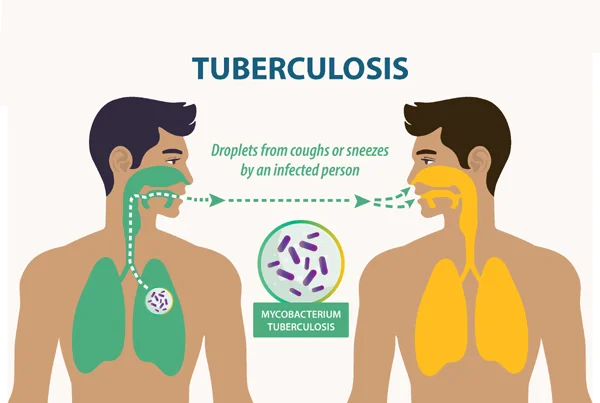
Tuberculosis (TB) is a serious infectious disease caused by Mycobacterium tuberculosis. It primarily affects the lungs b
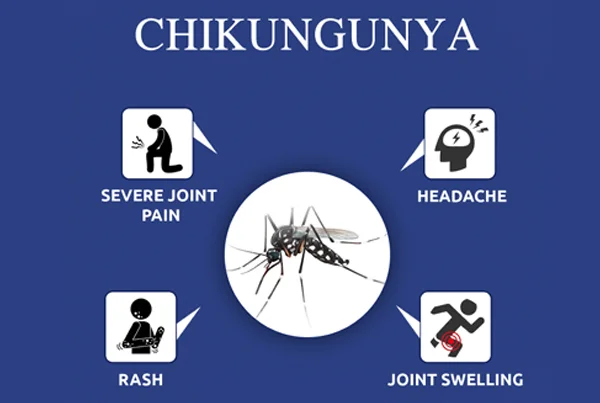
Chikungunya is a viral infection caused by the chikungunya virus, which is transmitted through the bite of infected Aede
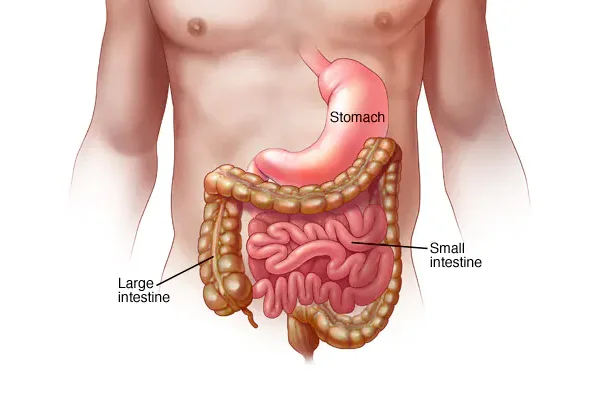
Gastroenteritis is a common digestive system infection that causes inflammation of the stomach and intestines. It is usu

Loose motion, also known as diarrhea, is a common digestive problem characterized by frequent passing of watery or loose


 Call Or Whatsapp Now