
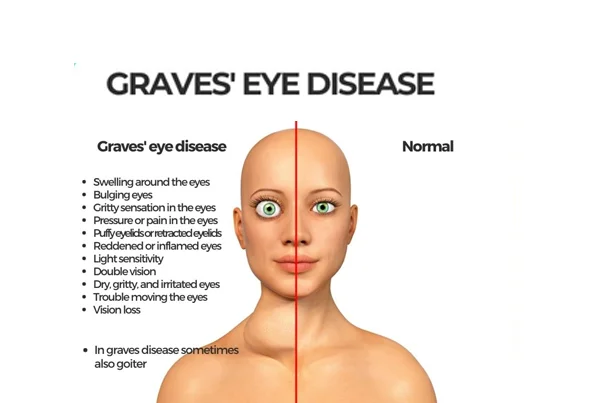
Graves Disease is an autoimmune thyroid disorder that causes the thyroid gland to become overactive, a condition known as hyperthyroidism. In this condition, the body's immune system mistakenly attacks the thyroid gland and stimulates it to produce excessive amounts of thyroid hormones.
These hormones control metabolism, heart rate, body temperature, and energy levels. Excess thyroid hormone can accelerate many body functions, causing symptoms such as weight loss, rapid heartbeat, anxiety, sweating, tremors, and sleep disturbances.
Graves Disease is one of the most common causes of hyperthyroidism and can affect people of all ages, although it is more common in women. Early diagnosis and proper treatment are essential to control hormone levels and prevent complications.
In West Shalimar Bagh, patients receive comprehensive evaluation and advanced treatment for Graves Disease and other thyroid disorders.
Dr. Deepak Kothari provides expert thyroid care focused on hormone balance, symptom relief, and long-term disease management.
Graves Disease is an autoimmune disorder in which antibodies stimulate the thyroid gland to produce excessive amounts of:
This leads to hyperthyroidism and an increased metabolic rate.
The condition may also affect:
Common symptoms include:
Eye-related symptoms may include:
The immune system produces antibodies that overstimulate the thyroid gland.
Family history increases the risk of developing Graves Disease.
Women are more commonly affected than men.
Early diagnosis helps prevent complications and improve treatment outcomes.
Tests may include:
Under expert supervision of Dr. Deepak Kothari, patients receive accurate diagnosis and personalized treatment planning.
Medicines are prescribed to:
These medications help relieve:
In selected patients, radioactive iodine is used to reduce thyroid activity.
Thyroid surgery may be recommended when:
For Graves ophthalmopathy:
Patients can support treatment by:
Consult a doctor if you experience:
Early treatment helps:
Patients in West Shalimar Bagh trust expert thyroid care because Graves Disease requires precise diagnosis and long-term monitoring.
Key reasons include:
Dr. Deepak Kothari offers evidence-based and compassionate care for Graves Disease to help patients achieve better thyroid health and overall wellness.
Graves Disease is a common cause of hyperthyroidism that can significantly affect physical and emotional health. With early diagnosis and appropriate treatment, thyroid hormone levels can be controlled effectively and complications can be prevented.
In West Shalimar Bagh, patients can rely on expert care from Dr. Deepak Kothari for accurate diagnosis, effective treatment, and long-term management of Graves Disease.
If you are experiencing symptoms of hyperthyroidism such as rapid heartbeat, unexplained weight loss, or excessive sweating, consult today in West Shalimar Bagh for expert Graves Disease treatment and personalized thyroid care.


 Call Or Whatsapp Now
Write a Reply or Comment