A stroke is a serious medical emergency that occurs when the blood supply to a part of the brain is interrupted or reduced, depriving brain cells of oxygen and nutrients. Within minutes, brain cells begin to die, making immediate medical attention critical for preventing permanent brain damage and disability.
Stroke is one of the leading causes of death and long-term disability worldwide. It can affect people of all ages but is more common in older adults and individuals with risk factors such as high blood pressure, diabetes, heart disease, high cholesterol, and smoking.
The severity of a stroke depends on the area of the brain affected and how quickly treatment is started. Early diagnosis and prompt medical care can significantly improve recovery and quality of life.
In West Shalimar Bagh, patients receive comprehensive evaluation, treatment, and long-term management for stroke and associated neurological conditions.
Dr. Deepak Kothari provides expert medical care focused on early diagnosis, risk factor management, and improving overall neurological health.
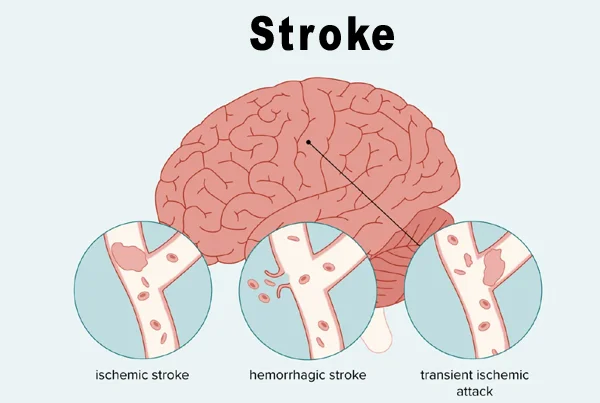
A stroke occurs when blood flow to the brain is disrupted, preventing brain cells from receiving oxygen and nutrients.
The two main types of stroke are:
This is the most common type and occurs when a blood clot blocks an artery supplying blood to the brain.
This occurs when a blood vessel in the brain ruptures and causes bleeding within or around the brain.
Another related condition is:
Often called a mini-stroke, TIA causes temporary symptoms and serves as an important warning sign for a future stroke.
Stroke symptoms usually appear suddenly.
Common warning signs include:
Remember the FAST warning signs:
Hypertension is the leading risk factor for stroke.
Uncontrolled blood sugar damages blood vessels and increases stroke risk.
Excess cholesterol can narrow arteries supplying the brain.
Conditions such as:
increase the likelihood of stroke.
Smoking damages blood vessels and excessive alcohol intake increases blood pressure.
These factors contribute to hypertension, diabetes, and cardiovascular disease.
Rapid diagnosis is essential because early treatment can save brain tissue.
Investigations may include:
Under expert supervision of Dr. Deepak Kothari, patients receive detailed evaluation and personalized treatment plans.
Immediate treatment focuses on:
Depending on the type of stroke, medications may help:
Rehabilitation is an essential part of recovery and may include:
Patients are encouraged to:
Patients and caregivers should:
Seek emergency treatment if you notice:
Stroke is a medical emergency and every minute counts.
Early treatment helps:
Patients in West Shalimar Bagh trust expert stroke care because stroke management requires accurate diagnosis, risk factor control, and long-term follow-up.
Key reasons include:
Dr. Deepak Kothari provides compassionate and evidence-based care to help patients recover from stroke and reduce the risk of future complications.
Stroke is a life-threatening medical condition that requires immediate attention. Early diagnosis, prompt treatment, rehabilitation, and effective management of risk factors can greatly improve recovery and long-term outcomes.
In West Shalimar Bagh, patients can rely on expert care from Dr. Deepak Kothari for accurate diagnosis, effective treatment, and comprehensive stroke management.
If you or your loved one experiences sudden weakness, speech difficulty, facial drooping, or other stroke symptoms, seek immediate medical attention and consult in West Shalimar Bagh for expert Stroke treatment and long-term neurological care.


 Call Or Whatsapp Now
Write a Reply or Comment