
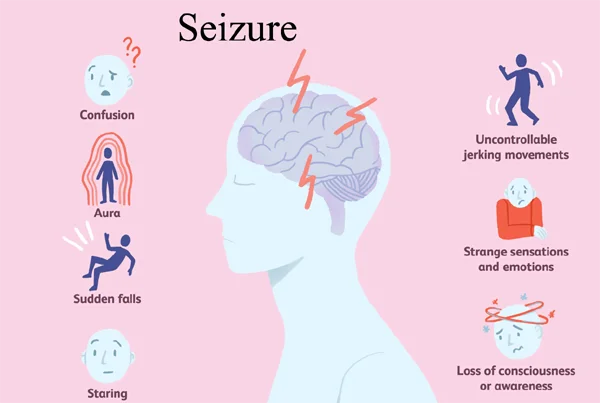
Seizures are sudden, uncontrolled bursts of electrical activity in the brain that can cause changes in movement, behavior, awareness, sensations, or consciousness. While a single seizure may not always indicate a chronic condition, recurrent seizures are often associated with epilepsy and require prompt medical attention. Seizures can occur at any age and vary widely in severity, ranging from brief staring spells to full-body convulsions.
Early diagnosis and proper treatment are essential to control seizures, prevent complications, and improve quality of life. Dr. Deepak Kothari offers comprehensive Seizure Treatment in Shalimar Bagh, focusing on accurate diagnosis, individualized treatment plans, and long-term management. With modern diagnostic facilities and a patient-centered approach, patients can receive effective care aimed at reducing seizure frequency and helping them lead a healthy and active life.
A seizure occurs when there is a sudden abnormal electrical discharge in the brain. Depending on the area of the brain affected, seizures can produce a variety of symptoms, including muscle jerking, loss of consciousness, confusion, or unusual sensations.
Seizures are broadly classified into two major categories:
These seizures begin in one specific area of the brain. Symptoms may include:
These involve both sides of the brain from the beginning and may cause:
The severity and duration of seizures vary from person to person, making expert evaluation crucial for appropriate treatment.
The signs and symptoms of seizures depend on the type of seizure and the region of the brain involved. Common symptoms include:
Some patients experience an aura before a seizure, which may include unusual smells, visual disturbances, dizziness, or strange sensations.
Seizures can occur due to various medical conditions and neurological disorders. Common causes include:
Epilepsy is one of the most common causes of recurrent seizures and is characterized by repeated unprovoked seizures.
Traumatic brain injuries resulting from accidents or falls may trigger seizures.
Conditions such as meningitis, encephalitis, or brain abscesses can irritate brain tissue and cause seizures.
Damage to brain tissue due to stroke may increase the risk of seizures, especially in older adults.
Benign or malignant tumors can disrupt normal brain activity and lead to seizure episodes.
In children, high fever may sometimes cause febrile seizures.
Low blood sugar, electrolyte imbalance, liver disease, or kidney disorders may trigger seizures.
Certain seizure disorders have a hereditary component and may run in families.
Several factors may increase the risk of developing seizures:
Understanding these risk factors helps in early identification and preventive care.
Accurate diagnosis is important to determine the cause and type of seizure. Dr. Deepak Kothari performs a detailed assessment that may include:
The doctor reviews symptoms, previous episodes, family history, and associated medical conditions.
A neurological examination evaluates brain function, reflexes, coordination, and sensory responses.
EEG records the electrical activity of the brain and helps identify abnormal patterns associated with seizures.
MRI provides detailed images of the brain to detect structural abnormalities, tumors, infections, or scar tissue.
CT scans may be used in emergency situations to evaluate brain injuries or bleeding.
Blood investigations help identify infections, metabolic disorders, or electrolyte imbalances contributing to seizures.
Proper diagnosis enables the doctor to formulate an effective and personalized treatment plan.
Treatment for seizures depends on the underlying cause, type of seizure, age of the patient, and overall health condition.
Medications are the primary treatment for most seizure disorders. They help:
The medication type and dosage are carefully adjusted according to individual patient needs.
Simple lifestyle changes can significantly reduce seizure triggers, including:
If seizures are caused by infections, brain tumors, stroke, or metabolic disorders, treating the underlying condition is essential.
Surgery may be considered in selected patients whose seizures do not respond adequately to medications. Surgical options aim to remove or isolate the area of the brain responsible for seizure activity.
Regular follow-up visits help monitor medication effectiveness, side effects, and seizure control, ensuring the best possible outcome.
Seeking timely treatment offers numerous benefits:
Early intervention significantly improves long-term prognosis and helps patients live active and productive lives.
Managing seizures requires long-term commitment and proper self-care. Patients are advised to:
These measures can help minimize seizure episodes and improve overall well-being.
Dr. Deepak Kothari is dedicated to providing comprehensive neurological care with a focus on patient safety and long-term health. Patients choose Dr. Deepak Kothari because of:
With expert guidance and modern treatment strategies, patients can achieve effective seizure control and lead a healthier life.
Seizures can be frightening and disruptive, but with timely diagnosis and proper treatment, most patients can achieve excellent seizure control and enjoy a normal lifestyle. Recognizing symptoms early and seeking specialized medical care are crucial steps toward successful management.
If you are looking for expert Seizure Treatment in Shalimar Bagh, consult Dr. Deepak Kothari for comprehensive evaluation and personalized care. With advanced diagnostics, effective treatment options, and dedicated follow-up, you can take control of your condition and improve your quality of life.
Seizures can be caused by epilepsy, brain injuries, infections, stroke, brain tumors, metabolic disorders, high fever, or genetic factors.
No. A seizure is a single event of abnormal brain activity, while epilepsy is a chronic condition characterized by recurrent seizures.
Many patients achieve excellent seizure control with medications. Some cases may become seizure-free for years, while others require long-term management.
Keep the person safe, place them on their side, remove nearby dangerous objects, and avoid putting anything in their mouth. Seek emergency help if the seizure lasts more than five minutes.
Yes, stress, lack of sleep, alcohol consumption, missed medications, and certain illnesses can trigger seizures in susceptible individuals.


 Call Or Whatsapp Now
Write a Reply or Comment