
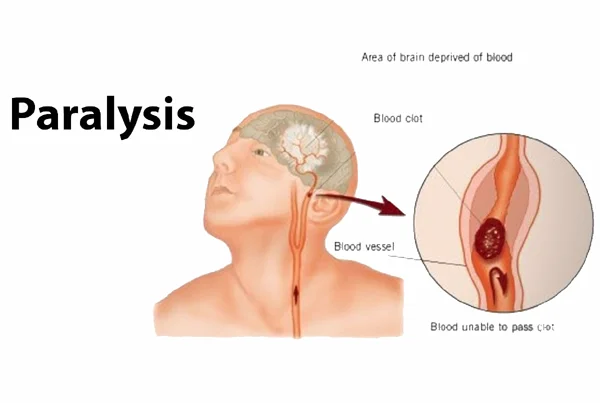
Paralysis is a condition characterized by the loss of muscle function in one or more parts of the body. It can affect a person's ability to move, speak, swallow, or perform daily activities independently. Paralysis may develop suddenly due to a stroke or injury, or gradually because of neurological disorders and infections. The severity of paralysis varies from mild weakness to complete loss of movement, making early diagnosis and treatment extremely important.
With timely medical intervention, many patients can achieve significant improvement in their mobility and quality of life. Dr. Deepak Kothari provides comprehensive Paralysis Treatment in Shalimar Bagh with a focus on accurate diagnosis, advanced neurological care, and personalized rehabilitation programs. Through a combination of medications, physiotherapy, lifestyle modifications, and ongoing support, patients can regain confidence and improve their independence.
Paralysis refers to the inability to move muscles voluntarily due to damage to the nervous system. The condition occurs when communication between the brain and muscles is disrupted. Depending on the affected area and underlying cause, paralysis may be temporary or permanent.
Paralysis can affect different parts of the body:
This type affects only one limb, such as an arm or leg.
Hemiplegia causes paralysis on one side of the body and is commonly seen after a stroke.
Paraplegia affects both legs and sometimes part of the lower body.
Quadriplegia affects all four limbs and may also impact breathing and other bodily functions.
In partial paralysis, patients retain some muscle movement and sensation.
The extent and severity of paralysis depend on the cause, the area of the nervous system involved, and the speed of treatment.
The symptoms of paralysis vary widely depending on the underlying condition and the part of the body affected. Common symptoms include:
Some patients may experience symptoms suddenly, while others may notice gradual progression over time.
Paralysis can develop due to several neurological and medical conditions. The most common causes include:
Stroke is one of the leading causes of paralysis. It occurs when blood supply to the brain is interrupted, causing damage to brain cells responsible for movement.
Trauma from accidents, falls, or sports injuries can damage the spinal cord and result in partial or complete paralysis.
Severe head injuries can impair brain function and affect muscle control.
This autoimmune disease damages the protective covering of nerves, leading to muscle weakness and paralysis.
Bell's palsy causes temporary paralysis of facial muscles due to inflammation of the facial nerve.
This rare neurological disorder causes the immune system to attack peripheral nerves, resulting in weakness and paralysis.
Tumors affecting the brain or spinal cord may interfere with nerve function and cause paralysis.
Conditions such as meningitis, encephalitis, and spinal tuberculosis can damage the nervous system and lead to paralysis.
Several factors increase the risk of paralysis:
Managing these risk factors can help reduce the chances of developing paralysis.
A thorough evaluation is essential to identify the cause and extent of paralysis. Dr. Deepak Kothari may recommend:
The doctor evaluates symptoms, medical history, and neurological function.
This helps assess muscle strength, reflexes, coordination, sensation, and balance.
MRI provides detailed images of the brain and spinal cord to detect strokes, tumors, infections, or nerve damage.
CT scans are useful for identifying brain injuries, bleeding, and structural abnormalities.
EMG measures electrical activity in muscles and nerves to evaluate nerve damage.
These tests assess how efficiently nerves transmit signals.
Blood investigations help detect infections, autoimmune diseases, and metabolic disorders.
An accurate diagnosis allows the doctor to design a targeted treatment plan for optimal recovery.
Treatment for paralysis depends on the underlying cause, severity of symptoms, and overall health of the patient.
Medications may be prescribed to:
Physiotherapy is a vital component of paralysis treatment and focuses on:
Regular physiotherapy can significantly improve recovery outcomes.
Occupational therapy helps patients regain the ability to perform daily activities such as:
Therapists teach adaptive techniques and recommend assistive devices to improve independence.
For patients experiencing speech or swallowing difficulties, specialized therapy can improve communication and eating abilities.
In certain cases, surgery may be required to:
The decision for surgery depends on the cause and severity of paralysis.
Early treatment offers numerous benefits, including:
The sooner treatment begins, the greater the potential for neurological recovery.
Recovery from paralysis often requires a multidisciplinary approach and long-term commitment. Important aspects of rehabilitation include:
Recovery time varies depending on the cause, severity, and response to treatment.
Dr. Deepak Kothari is dedicated to providing comprehensive neurological care with an emphasis on accurate diagnosis, evidence-based treatment, and compassionate patient support.
Patients choose Dr. Deepak Kothari because of:
With expert care and timely intervention, many patients experience significant improvements in their mobility and independence.
Paralysis can have a profound impact on a person's life, but modern medical treatments and rehabilitation techniques offer hope for recovery and improved quality of life. Early diagnosis, prompt treatment, and consistent rehabilitation are key to achieving the best possible outcomes.
If you are looking for expert Paralysis Treatment in Shalimar Bagh, consult Dr. Deepak Kothari for comprehensive neurological evaluation and personalized care. With advanced treatment options and dedicated support, you can take positive steps toward recovery and regain confidence in your daily life.
Stroke is one of the most common causes of paralysis, especially in older adults. Other causes include spinal cord injuries, brain injuries, infections, and neurological disorders.
The outcome depends on the cause and severity of nerve damage. Many patients experience significant improvement with timely treatment and rehabilitation.
Physiotherapy is extremely important as it helps improve muscle strength, mobility, coordination, and overall functional independence.
Yes, paralysis can affect people of any age due to trauma, infections, autoimmune disorders, stroke, or genetic conditions.
Recovery varies from person to person. Some patients improve within weeks, while others may require months or years of rehabilitation depending on the severity of the condition.


 Call Or Whatsapp Now
Write a Reply or Comment