
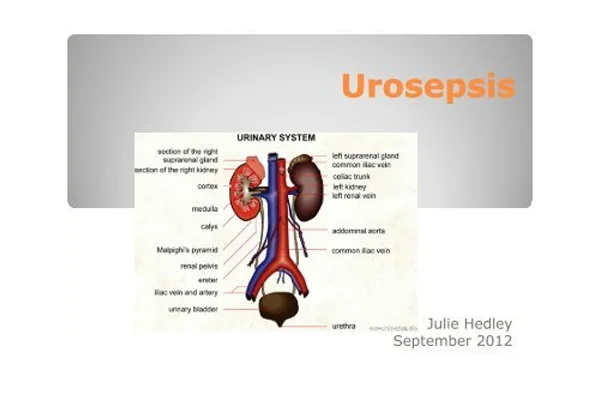
Urosepsis is a serious and potentially life-threatening condition that occurs when a urinary tract infection (UTI) spreads into the bloodstream and triggers a severe immune response. It is considered a medical emergency because the infection can rapidly affect multiple organs, leading to complications such as septic shock, kidney failure, and respiratory distress if not treated promptly.
People with untreated urinary tract infections, kidney infections, diabetes, weakened immunity, or urinary tract obstruction are at a higher risk of developing urosepsis. Early recognition of symptoms and immediate medical attention are crucial for improving outcomes. Dr. Deepak Kothari provides expert Urosepsis Treatment in Shalimar Bagh, offering timely diagnosis, advanced treatment options, and comprehensive care to help patients recover safely and effectively.
Urosepsis is a type of sepsis that originates from an infection in the urinary tract. Sepsis occurs when the body's response to an infection becomes overwhelming, causing widespread inflammation that can damage tissues and organs.
The infection usually starts in:
When bacteria spread from these structures into the bloodstream, the body mounts an excessive immune response, leading to systemic inflammation and potentially life-threatening complications.
Urosepsis requires urgent hospitalization and immediate treatment to control the infection and stabilize the patient.
Urosepsis is commonly caused by bacterial infections of the urinary tract. Several factors increase the risk of the infection spreading to the bloodstream.
Common causes include:
Ignoring symptoms of a UTI can allow the infection to progress and spread.
Severe kidney infections can rapidly enter the bloodstream and cause sepsis.
Kidney stones may obstruct urine flow and create an environment for bacterial growth.
In men, an enlarged prostate can prevent complete bladder emptying, increasing infection risk.
Long-term catheter use may introduce bacteria into the urinary tract.
High blood sugar levels weaken the immune system and increase susceptibility to infections.
Patients with cancer, autoimmune disorders, or those receiving immunosuppressive therapy are at greater risk.
Symptoms may appear suddenly and progress rapidly. Immediate medical attention is necessary if any of the following symptoms occur:
Severe cases may progress to septic shock, which can become life-threatening if treatment is delayed.
Certain individuals have a higher risk of developing urosepsis.
Risk factors include:
Early evaluation and treatment of urinary infections are especially important in these high-risk groups.
Rapid diagnosis is essential because early treatment significantly improves survival rates.
Dr. Deepak Kothari carefully assesses symptoms, blood pressure, pulse rate, temperature, and oxygen levels.
Blood tests help evaluate:
Blood cultures identify the bacteria responsible for the infection and guide antibiotic therapy.
Urine examination helps detect bacteria, pus cells, and blood in the urine.
This test determines the exact organism causing the infection and identifies effective antibiotics.
Ultrasound helps identify kidney stones, urinary obstruction, or structural abnormalities.
CT scans provide detailed images and help diagnose complicated urinary infections or abscesses.
Urosepsis is a medical emergency that requires immediate treatment and close monitoring.
Broad-spectrum intravenous antibiotics are started immediately to control the infection. Once culture results are available, antibiotics may be adjusted according to the identified bacteria.
Fluids are administered to:
Patients with breathing difficulties or low oxygen levels may require supplemental oxygen.
If blood pressure remains dangerously low despite fluid therapy, medications may be given to improve circulation and stabilize blood pressure.
The source of infection must be addressed to prevent recurrence.
This may include:
Severe cases of urosepsis may require ICU admission for:
Without prompt treatment, urosepsis can lead to serious complications such as:
Early diagnosis and aggressive treatment are crucial to reducing these risks.
Preventing urinary infections and seeking early treatment are the best ways to avoid urosepsis.
Preventive measures include:
Simple preventive measures can significantly lower the risk of severe infection.
Recovery from urosepsis depends on:
Regular follow-up visits help monitor:
Timely follow-up ensures better long-term outcomes and reduces the chances of future complications.
Dr. Deepak Kothari offers comprehensive and patient-centered care for severe urinary infections and urosepsis.
Patients benefit from:
His commitment to quality healthcare ensures that patients receive timely and effective treatment during critical medical situations.
Urosepsis is a serious medical emergency that develops when a urinary tract infection spreads into the bloodstream. Symptoms such as high fever, confusion, rapid heartbeat, low blood pressure, and urinary complaints should never be ignored. Early diagnosis and immediate treatment can save lives and prevent serious complications.
If you or your loved one is experiencing symptoms of severe urinary infection, consult Dr. Deepak Kothari for expert Urosepsis Treatment in Shalimar Bagh. Timely medical care, accurate diagnosis, and advanced treatment can make a significant difference in recovery and long-term health.
A UTI is an infection limited to the urinary tract, while urosepsis occurs when the infection spreads into the bloodstream and affects the entire body.
Yes. Urosepsis is a life-threatening condition that requires immediate hospitalization and urgent treatment.
Older adults, diabetics, patients with kidney stones, urinary catheters, chronic kidney disease, and weakened immunity are at greater risk.
Yes. With early diagnosis, prompt antibiotic therapy, and proper supportive care, many patients recover successfully.
Timely treatment of urinary tract infections, maintaining hydration, managing diabetes, and seeking medical care for persistent urinary symptoms can help prevent urosepsis.


 Call Or Whatsapp Now
Write a Reply or Comment